
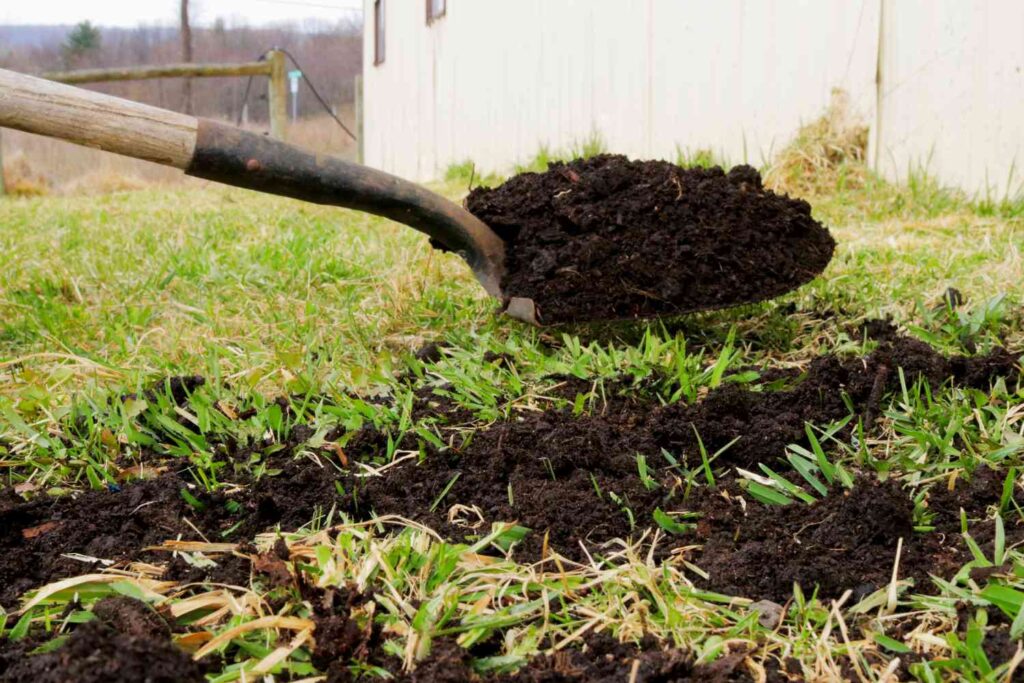
Ever wonder how your neighbor’s lawn is always better looking than yours? They are more than likely performing proper cultural practices on their lawn annually. Some of these cultural practices include proper irrigation schedules, mowing heights, fertilizer regimens, aerating and dethatching and applying top dressing. In fact, there are many benefits to performing these cultural practices on a yearly basis.
Although the maintenance that goes into lawns can involve a lot of work and maybe even stress at times, it’s important to remember that the sole purpose for our lawns are to live on them and enjoy a beautiful home landscape. Backyard soccer games, playing fetch with the dogs…remember when we used to have people over for backyard cookouts? Over time, these and other everyday activities combined with specific environmental conditions contribute to soil compaction. The hard work and effort that goes into them can be something you’re really proud of—especially if you’re a lawn care nut.
Adding top dressing to your lawn will reap many benefits for your grass and the soil it grows in. Compacted soils or soils with a lot of thatch don’t receive the necessary nutrients they need because oxygen, water, and other nutrients can’t get past the tough surface of your soil to reach the root zone. Although aerating and dethatching help with compaction issues, adding top dressing afterward will actually give your grass the nutrients it needs to thrive.
The Problem with Compacted Soils and Thatch
Compacted soil or soils with a lot of thatch lead to many challenges, including but not limited to: reduced water infiltration, reduced available pore space for oxygen, and the inability for nutrients to reach your turf’s root zone. Homeowners are actually wasting time, effort and money when making fertilizer applications because the nutrients aren’t being absorbed into your grass. Core aeration is a great way to reduce soil compaction because it literally punches holes into your soil so that the surface loosens up and allows oxygen, water, and nutrients to soak into the root zone. Top dressing with a compost product afterwards is a great amendment to reduce long-term compaction. Compost also contains many helpful nutrients, such as carbon, to promote microbial growth and overall turfgrass performance.
The Benefits of Top Dressing Your Lawn with Compost
The addition of a compost product after aeration will also increase a very important quality referred to as CEC (cation exchange capacity). In short, CEC is a measure of the ability of soil to hold nutrients. When soils have a low CEC, the application of fertilizer is much less effective. If you’re going to spend time and money on fertilizer applications, why not make them as effective as possible? When considering CEC, it is important to also consider pH because the two are closely related.
We all love efficiency, and addressing these issues mentioned above leads to exactly that. By reducing compaction and managing thatch, we can significantly increase irrigation efficiency and potentially reduce the need for herbicides and expensive fungicides. When we keep our CEC at acceptable levels, the nutrients we provide to our lawn through fertilizers are made available to the plant instead of potentially being lost in various ways.
Lastly, compost contains a healthy amount of carbon for your lawn’s soil. Carbon, although largely undervalued, plays a huge role in the overall health of your soil:
- Carbon helps promote photosynthesis,
- Carbon feeds beneficial microbes, which affect soil structure, protects lawns from stress and breaks down nutrients in the soil,
- Assists with the healthy carbon to nitrogen ratio in your soil.
How to Add Top Dressing to My Lawn
In the spring, apply 0.25–0.5 inches of top dressing after mowing your lawn low with compost, sand or topsoil. The best choice depends on your current soil and issues. Compost is a great all around option for both helping with drainage and providing organic material. The sand will help increase drainage and allow more air to access the root system while the topsoil will add organic material to your soil’s mixture. Sand will also help to maintain a leveled yard over time as it doesn’t compact easily. Be sure to mix the topsoil and sand so that it is fully blended if this is not already done.