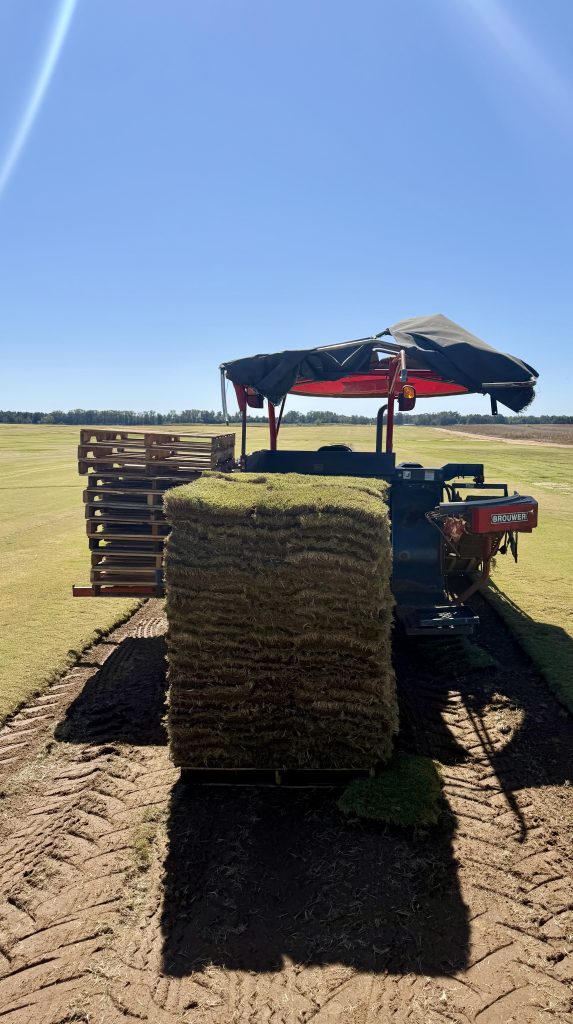
CitraZoy® Zoysiagrass is known for its fine-bladed appearance, strong disease resistance, and excellent color retention. Developed by the University of Florida after 13 years of research and testing, it is well suited for lawns throughout North Florida and South Alabama.
As temperatures begin to cool and growth slows, a few simple maintenance adjustments can help your CitraZoy lawn remain healthy through fall and prepare for a strong return in spring.
Adjust Your Mowing Routine
CitraZoy requires less frequent mowing during the fall as its growth begins to slow. During the active growing season, the recommended mowing height is generally between 1 and 2 inches.
As fall progresses, allow the grass to remain slightly taller. The additional leaf growth can encourage deeper root development and help the lawn prepare for the months ahead. Always use a sharp mower blade and avoid removing more than one-third of the grass blade at one time.
Reduce Watering as Temperatures Cool
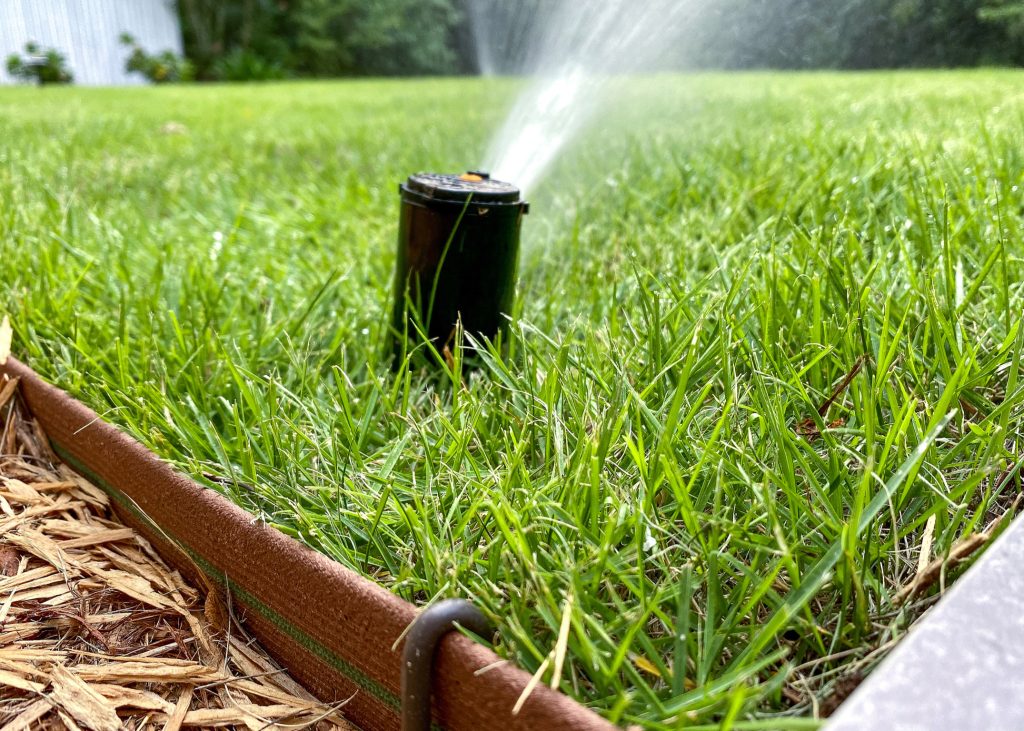
During active growth, CitraZoy generally needs about one inch of water per week from rainfall or irrigation. However, the lawn will require less water as temperatures cool and growth slows.
Continue monitoring rainfall and soil moisture rather than watering on a fixed schedule. Too much moisture during the fall can create favorable conditions for fungal disease. When irrigation is needed, water deeply and during the early morning hours.
Make Fertilization Decisions Carefully
Fall fertilization should be based on the condition of your lawn and the nutrient levels in your soil. Before applying fertilizer, contact your local Extension office for recommendations and consider having a soil sample tested. A soil test can identify nutrient deficiencies and help determine the most appropriate fertilizer for your property.
Avoid applying large amounts of nitrogen late in the growing season. If your lawn has circular areas of brown or dead grass, address the possible disease issue and allow the turf to recover before applying fertilizer.
Prevent Winter Weeds
Fall is an important time to prepare for winter weeds. A pre-emergent herbicide can help prevent certain weeds from developing, while a post-emergent herbicide should only be used when weeds are already present.
Always choose a product labeled as safe for zoysiagrass and follow all application instructions. Your local Extension office can also help you select products appropriate for your lawn and region.
Watch for Grubs and Other Lawn Pests
Check the lawn for signs of white grubs or other insect activity. Warning signs may include thinning turf, irregular brown areas, or grass that lifts easily because the roots have been damaged.
Treat only when insects are present and use a product labeled for the specific pest and for use on zoysiagrass.
Stay Ahead of Fall Lawn Disease
Cooler temperatures combined with excess moisture can increase the risk of fungal disease. Circular patches of brown, yellow, or dead turf may indicate a developing problem.
A preventive fungicide may help protect lawns with a history of disease. If symptoms are already present, identify and treat the problem before fertilizing. Avoid overwatering and allow the lawn adequate time to dry between irrigation cycles.
Prepare Now for a Healthier Spring
Fall care does not have to be complicated. Mowing slightly higher, reducing unnecessary irrigation, preventing winter weeds, monitoring for pests and disease, and making fertilization decisions based on a soil test can help your CitraZoy lawn enter the cooler season in a healthier condition.
For fertilizer and soil-testing recommendations specific to your property, contact your local Extension office.